Advertorial Independent Consumer Educational Guide & Household Utility Cost Reference · Published by Household Rate Check Advisory LLC (Austin, TX)
Household Rate Check Advisory LLC mark Household Rate Check

US Utility Rates

2026 US Household Utility Rate Benchmark & 50/30/20 Fixed-Cost Planner for residential electric, natural gas, and municipal water tariffs.

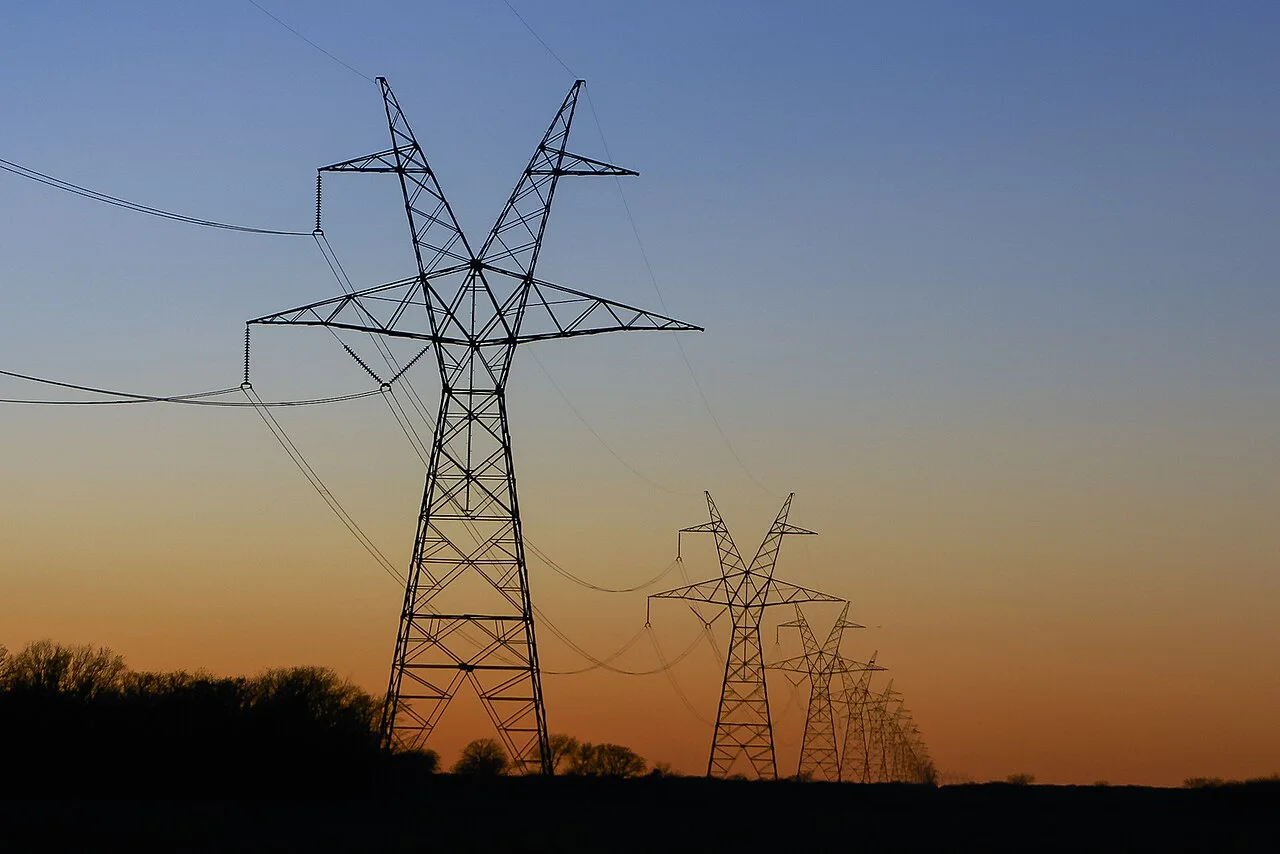
High-voltage regional transmission towers crossing an American utility corridor at dusk
Single-family American suburban residence showing modern roof thermal envelope

Essential housing and utility overhead should remain inside 50% of net monthly household income.

Benchmarking standard: Elizabeth Warren 50/30/20 allocation rule calibrated to 2026 US utility schedules.

Delivery charges and seasonal peak tiers now account for 41% of a typical residential power bill.

Edited by Teresa Vance · Household Rate Check Advisory LLC · File No. 080170186.

FIFTY PERCENT

When residential kWh delivery riders and municipal water baselines climb faster than median take-home pay, the 50% essential bucket absorbs the shock first.

17.8¢

US national weighted residential electricity average per kilowatt-hour across combined winter and summer billing cycles.

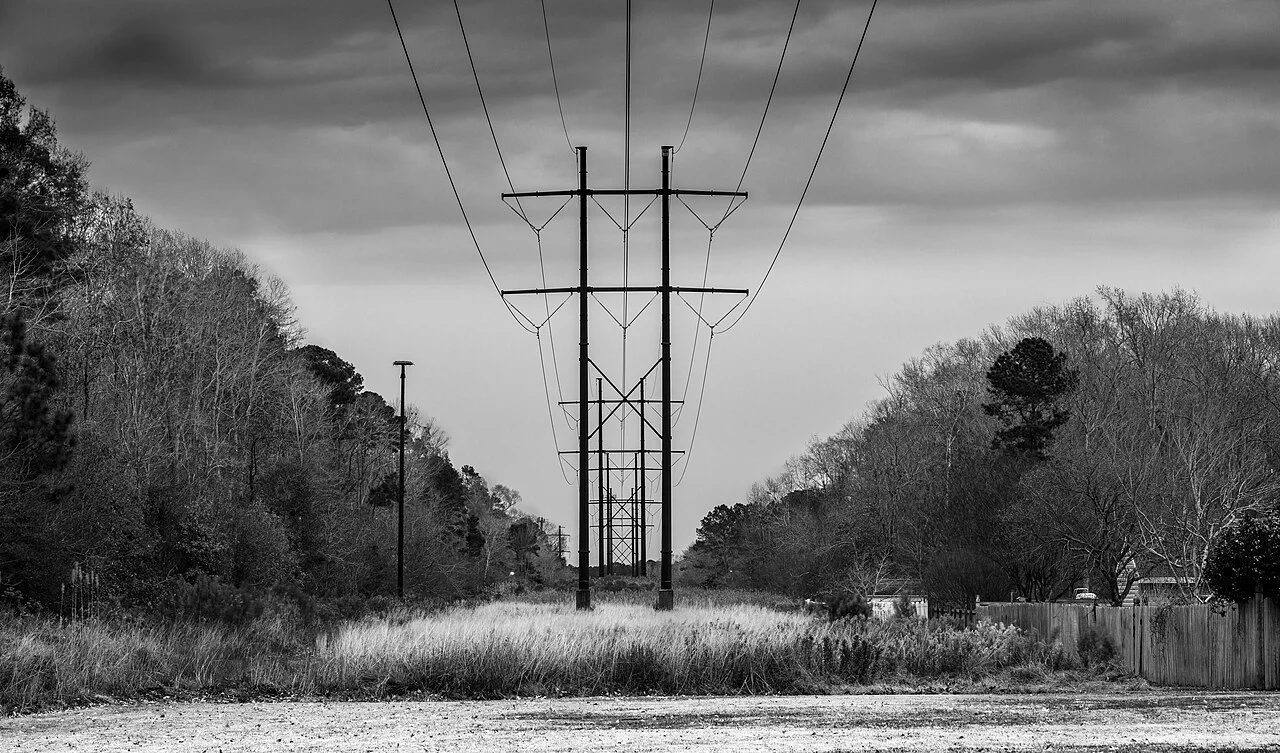
Regional utility distribution feeder lines spanning a residential corridor
Editorial Scope & Consumer Purpose

Prepared by Household Rate Check Advisory LLC in Austin, Texas as an open-access educational reference for US homeowners and renters.

Most household budgeting templates treat electric, natural gas, water, wastewater, and municipal trash bills as minor footnotes beneath a mortgage or lease payment. Yet data compiled from the U.S. Energy Information Administration (EIA) and the Bureau of Labor Statistics (BLS) Consumer Expenditure Survey shows that combined residential utility outgoings routinely exceed $380 to $540 per month in single-family homes : representing 12% to 19% of the entire 50% Essential Needs allocation before a single dollar is spent on groceries, insurance, or transportation.

50/30/20 Utility Planner

100% Anonymous Calculator — No Name, No Email, and No Phone Number Required. All Household 50/30/20 Budget & Utility Cost Planner calculations run locally in your browser using range sliders.

Select a Regional US Household Baseline Preset:

$5,800 / mo

Combined after-tax wages, pension distributions, or fixed household income.

$410 / mo

Include kWh supply + TDU delivery fees, natural gas therms, municipal water, and sewer.

3.4% / yr

Historical BLS CPI Energy Services & residential rate-case escalation rate.

10 years

Evaluates cumulative real purchasing-power decay and future utility burden.

$2,900
50% Essential Needs Ceiling
Utilities absorb 14.1% of your 50% essential cap ($2,490 left for housing & groceries)
$1,740
30% Flexible Living Allocation
Discretionary household spending, dining, travel, and variable home maintenance
$1,160
20% Savings & Efficiency Reserve
Emergency liquidity buffer, debt reduction, and weatherization capital
$4,151
Real Purchasing Power at Horizon
Projected monthly utility bill in Year 10: $573/mo
Purchasing Power Retention (Solid) vs. Utility Cost Pressure (Dashed) Year 0: $5,800 -> Year 10 Real Purchasing Power: $4,151

National Utility Ledger Figures

Aligned on the decimal point from federal residential energy and household expenditure releases. Units are stated in the accompanying notes so the figures form a clean vertical column.

1,054
.0
Kilowatt-Hours per Month (kWh) Weighted annual average monthly electricity consumption for an American single-family detached residence across all climate zones.
17
.84
Cents per Kilowatt-Hour (USD) Blended 2026 US residential retail electricity tariff combining generation supply and regulated transmission/distribution charges.
43
.6%
HVAC Thermal Load Share Proportion of total residential energy consumption dedicated to space heating and summer air-conditioning compressor cycles.
418
.50
Dollars per Month Combined Utility Baseline Median monthly US household expenditure across electricity ($188.00), natural gas ($86.50), municipal water/wastewater ($98.00), and solid waste ($46.00).
14
.4%
Share of 50% Essential Budget Portion of a $5,800 net monthly household budget's $2,900 essential cap consumed solely by recurring residential utility bills.

2026 Regional Rate Matrix

Comparison of residential electricity rates, secondary utility baselines, and the net household income required to keep total housing plus utilities under the 50% threshold.

2026 US Census Division Residential Utility Benchmarks ($ USD)
US Census Division Avg Electric Tariff Monthly Electric (1,050 kWh) Gas + Water + Trash Total Monthly Utility
New England (CT, MA, ME, NH, RI, VT) 28.4¢ / kWh $298.20 $246.00 $544.20 / mo
Middle Atlantic (NJ, NY, PA) 21.9¢ / kWh $229.95 $224.00 $453.95 / mo
East North Central (IL, IN, MI, OH, WI) 16.8¢ / kWh $176.40 $208.00 $384.40 / mo
South Atlantic (FL, GA, MD, NC, SC, VA) 15.6¢ / kWh $163.80 $192.00 $355.80 / mo
West South Central (AR, LA, OK, TX) 15.2¢ / kWh $159.60 $198.00 $357.60 / mo
Mountain (AZ, CO, ID, MT, NV, NM, UT, WY) 14.4¢ / kWh $151.20 $189.00 $340.20 / mo
Pacific Contiguous (CA, OR, WA) 24.6¢ / kWh $258.30 $238.00 $496.30 / mo

Cost Drivers

Four physical and regulatory mechanisms that determine whether a household stays inside its 50% essential allocation.

Transmission & Distribution (TDU) Delivery Riders

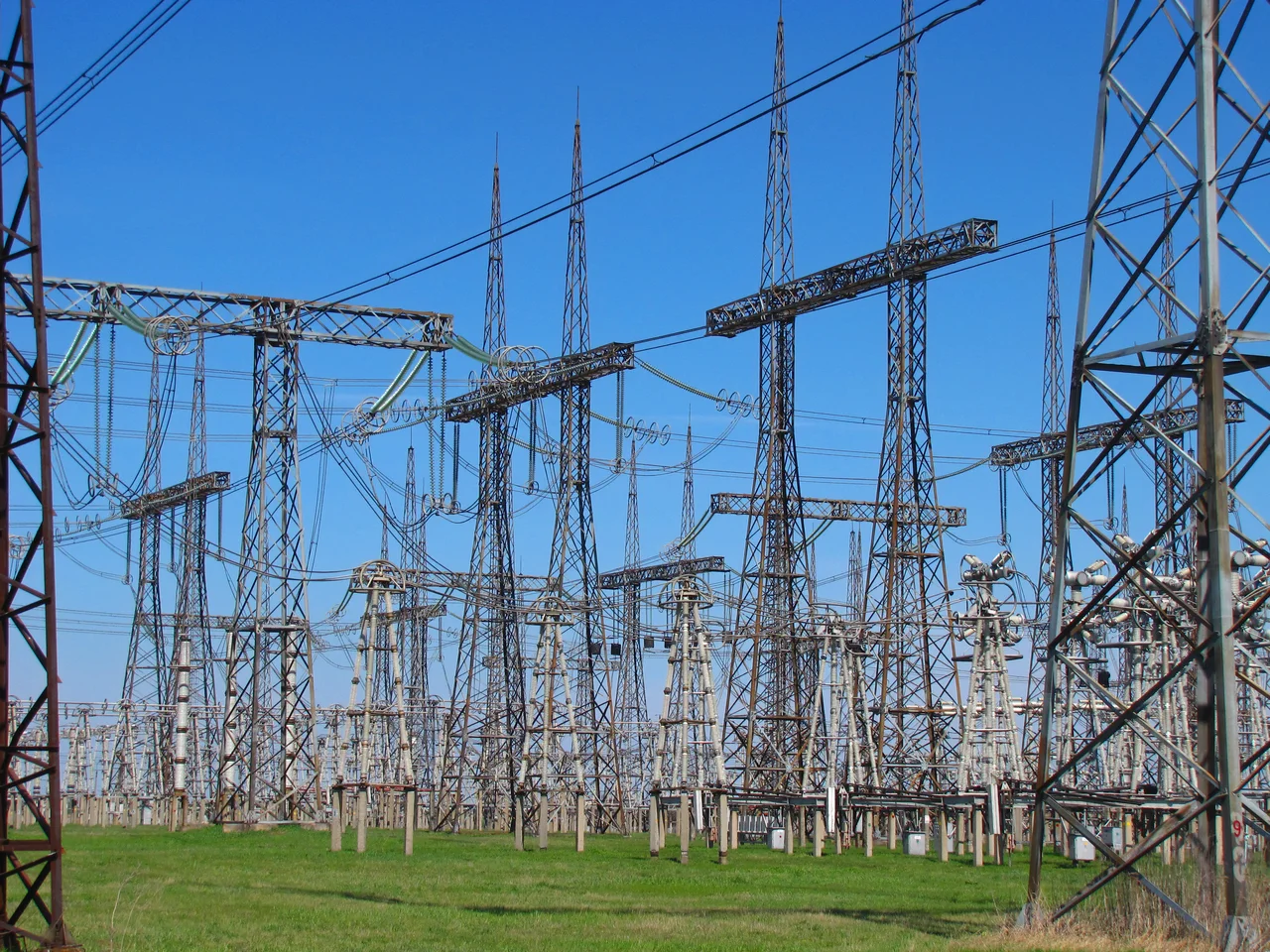
High-voltage electric substation switchyard and transformer bays
  • Fixed monthly customer meter charges ($9.50 to $24.00/mo) apply regardless of kWh conservation.
  • Volumetric TDU delivery charges cover substation maintenance, vegetation management, and storm hardening.
  • Grid congestion and capacity riders adjust semi-annually across deregulated and vertically integrated territories.
  • Auditing supply vs. delivery line items prevents miscalculating the payback of home efficiency upgrades.

Time-of-Use (TOU) Peak Multipliers

  • On-peak summer and winter windows (typically 4:00 PM to 9:00 PM) can price electricity at 2.1x to 3.4x off-peak rates.
  • Pre-cooling or pre-heating the thermal envelope before 3:30 PM shifts heavy compressor draw into base-rate hours.
  • Electric water heaters, clothes dryers, and dishwashers scheduled after 9:00 PM reduce effective blended ¢/kWh by 11% to 18%.
  • Smart thermostat setback schedules eliminate unmonitored daytime thermal drift.
Modern residential tower facade in Austin Texas under clear daylight

Attic Envelope & Ductwork Thermal Leakage

Classic American timber-frame single-family residential streetscape
  • Under-insulated attics below DOE-recommended R-38 to R-60 allow summer roof-deck radiant heat directly into living zones.
  • Unsealed supply and return air ducts in unconditioned crawlspaces or attics lose 20% to 30% of conditioned airflow.
  • Blower-door and infrared envelope diagnostics pinpoint bypass gaps around recessed lighting, attic hatches, and rim joists.
  • Reducing thermal load lowers both summer kWh peaks and winter natural gas therm consumption simultaneously.

Base-Load Phantom Draw & Water Heating

  • Domestic hot water represents 18% of residential energy use : second only to primary space conditioning.
  • Setting tank thermostats to 120°F (49°C) and insulating the first six feet of hot and cold water piping cuts standby heat loss.
  • Always-on electronics, secondary garage refrigerators, and circulation pumps add 650 to 1,400 kWh of continuous annual base load.
  • Eliminating base-load waste directly expands the 20% savings and emergency reserve bucket inside the 50/30/20 framework.
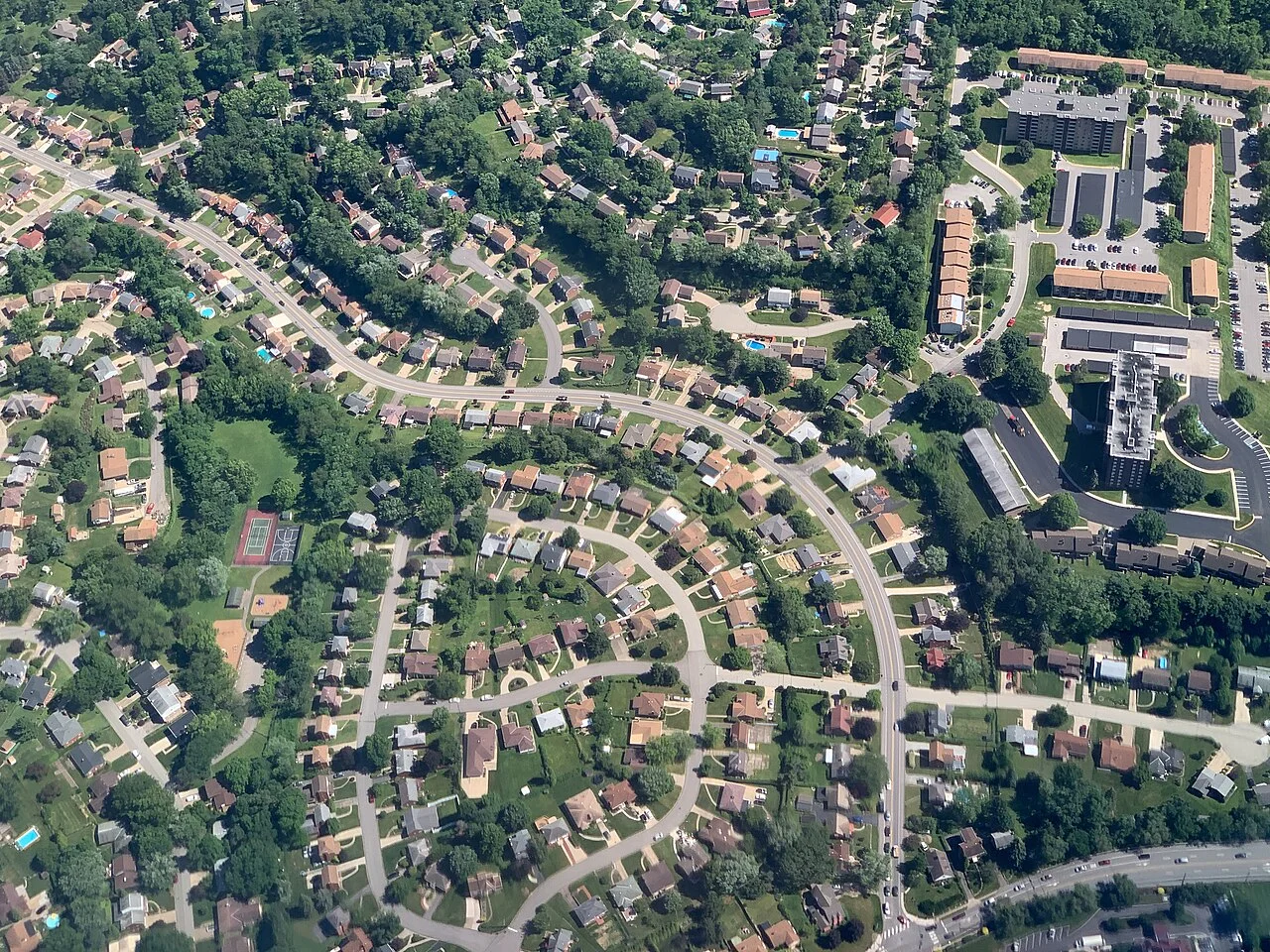
Aerial view of an American suburban residential neighborhood and street grid

Reference Notes & Common Questions

Continuous analytical notes on the 50/30/20 utility benchmark, data sources, and independent methodology.

How do utilities fit into the 50/30/20 rule? Under the classic 50/30/20 household framework, 50% of net after-tax income covers all non-negotiable essential needs: mortgage or rent, property taxes, homeowners insurance, basic groceries, minimum debt service, and essential residential utilities (electricity, heating gas, municipal water, sewer, and trash collection).

What is the healthy utility-to-income ratio inside the 50% bucket? Financial planners and housing economists generally benchmark total residential utilities at 5% to 8% of net household income (or 10% to 16% of the 50% Essential Needs cap). When utilities exceed 18% of the essential cap, housing or savings allocations are crowded out.

Why do electric bills rise even when kWh usage stays flat? Residential electric bills consist of two primary components: generation supply (the cost of producing electrons) and Transmission & Distribution (TDU/TDSP) delivery charges. Regulated delivery tariffs, grid modernization riders, and fuel-cost adjustments can increase even when household kWh consumption drops.

Does this calculator collect or store my financial data? No. Household Rate Check operates on a strict Zero-PII architecture. There are no name, email, or phone number input fields anywhere on this website, and all 50/30/20 budget computations execute locally inside your browser session.

Where do the regional kWh and utility figures come from? Regional baselines are synthesized from publicly available U.S. Energy Information Administration (EIA) Electric Power Monthly tables, U.S. Department of Energy (DOE) Residential Energy Consumption Survey (RECS) microdata, and Bureau of Labor Statistics (BLS) Consumer Expenditure Survey releases.

Are telecommunications and streaming services counted as utilities? Standard municipal utility accounting includes electricity, natural gas/heating fuel, water, wastewater, and solid waste. High-speed internet required for remote work or schooling is typically placed in the 50% Needs bucket, whereas entertainment streaming subscriptions belong in the 30% Flexible Living allocation.

How should seasonal summer cooling and winter heating spikes be budgeted? Rather than adjusting your monthly budget twelve times a year, divide your trailing 12-month cumulative utility expenditure by 12 to establish a levelized monthly reserve inside your 50% Essential Needs calculation.

Is Household Rate Check affiliated with any utility provider or government agency? No. Household Rate Check Advisory LLC is an independent private publishing and analytical company registered in the State of Texas (File No. 080170186). We do not sell electricity contracts, broker utility switching, or represent any municipal utility commission.